How To Reset Tire Pressure Light – A Complete Guide
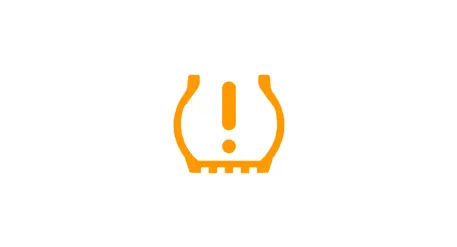
You’ve inflated your car, truck, or SUV tires as per recommended PSI, but the tire pressure monitoring system (TPMS) light is still on.
That could be an error in the tire pressure monitoring system, and you should reset it to operate properly.
Because the tire pressure monitoring system is crucial to your vehicle’s safety, it should be working efficiently.
If you don’t know how to reset tire pressure light, read the owner’s manual to get detailed information, take your vehicle to the nearest car professional, or keep reading this article to know step by step guide to reset TPMS.
Quick Summary
To reset the tire pressure light, you can try these steps:
First, for the overinflate and deflate method, add about 3 PSI more air than needed to all the tires, including the spare.
Then let all the air out completely and fill them back to the correct pressure.
Next, for the battery reset method, turn off the car, remove the positive battery cable, and press the horn for three seconds to clear any leftover power.
Reconnect the cable and start the car, the tire light should turn off.
Lastly, some cars reset on their own after you drive for 10 to 20 minutes at speeds over 40 miles per hour.
The above steps work on most of the vehicles, but some require a different method, or some don’t have a TPMS reset button.
So, it would be best to visit your nearest mechanic if the above method doesn’t work for you or if you’re unsure how to reset low tire pressure light.
How To Reset Tire Pressure Light – Step By Step Guide
Once you inflate your tires correctly, the TPMS light should automatically go off, but if it doesn’t, follow the steps below to reset TPMS.
Inflate All Tires To Recommended Tire Pressure
Check out the air pressure in all four tires and inflate them as per recommended tire pressure level. The recommended tire pressure should be listed on the driver’s side door jamb, or you can view it from the owner’s manual.
Drive For 10 Minutes At Or Above 50 MPH
After inflating your tires as per the recommended level, drive around for 10 minutes at or above 50 mph so that the TPMS sensor can be reset when you switch on the ignition.
Turn Ignition On Without Starting Engine
After driving around, turn off your vehicle completely and turn on the ignition without starting the engine because we just need to start the TPMS sensor.
Press And Hold TPMS Button
Now press and hold the TPMS button until the tire pressure light blinks three times and resets, then release it. Normally TPMS button is located near the steering wheel or center console or in the glove box.
Press and hold time to reset may vary from vehicle to vehicle, and you can look at the owner’s manual to know the exact time.
Start The Car Again And Drive Around To Reset
Start your vehicle and again drive around for 10 to 20 minutes at 30 to 50 mph as per the owner’s manual to activate the tire pressure system to update with current tire pressure and clear any system error.
Do Check Out the Spare Tire
Some newer cars have a tire pressure sensor in the spare tire too. Make sure the spare tire has the right amount of air, because if it’s low, it can also make the tire pressure light turn on.
Confirm System Type
Find out what kind of tire pressure system your car has. A direct system has sensors inside each tire and usually resets on its own after you add air. An indirect system uses the wheel speed sensors and may need you to reset it by hand or through the car’s menu screen.
Remember that the above method may not work on all vehicles because tire pressure monitoring system can vary to vehicle make, model, etc.
Also, a blinking tire pressure light usually means one of the sensors has a weak battery or isn’t working right. The batteries in these sensors often last about 7 to 10 years. When they get weak, the sensor may need to be replaced or fixed by a mechanic.
Some vehicles may require a special tool to reset TPMS if they don’t have a TPMS button. Moreover, if TPMS is not working effectively after resetting, it would be best to inspect it by a professional mechanic.
How To Reset Tire Pressure Light Honda Crv 2018
Follow the following steps to reset tire pressure light in honda crv 2018.
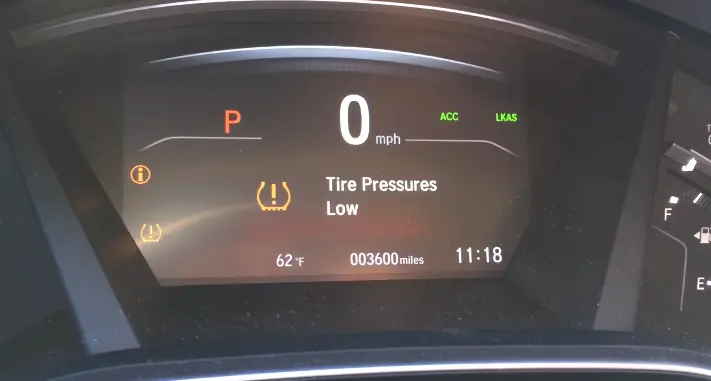
Inflate All Four Tires
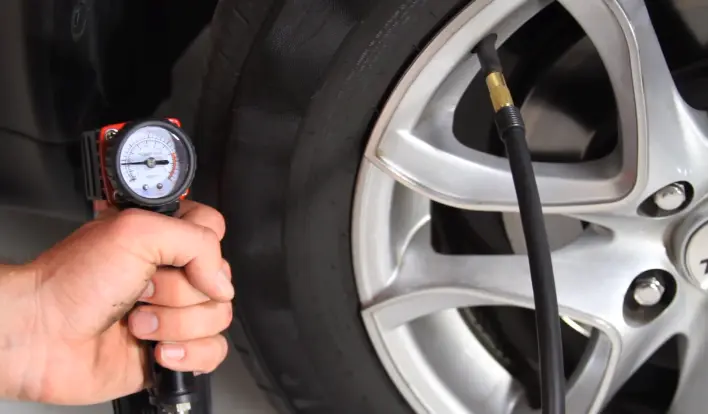
The first step will be to inflate your tires to the recommended tire pressure level, and you can view the recommended tire pressure level on the driver’s side door jamb or from the owner’s manual.
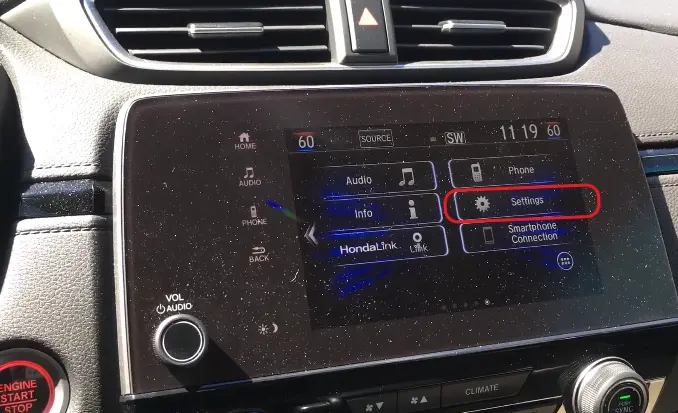
Select Settings From Home Screen
Now Select Home option from the screen to get the default options like Audio, Phone, Info, Settings, Smartphone connection, etc., and click on Settings.
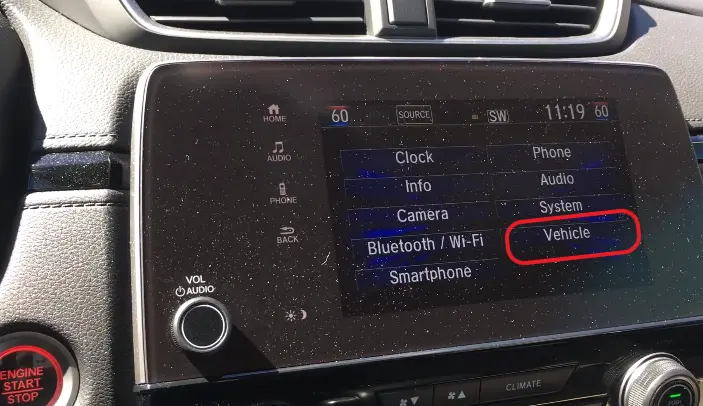
Now Select Vehicle
After clicking on settings, you’ll get different options like Clock, Phone, Info, Audio, Vehicle, System, etc., and select the vehicle.
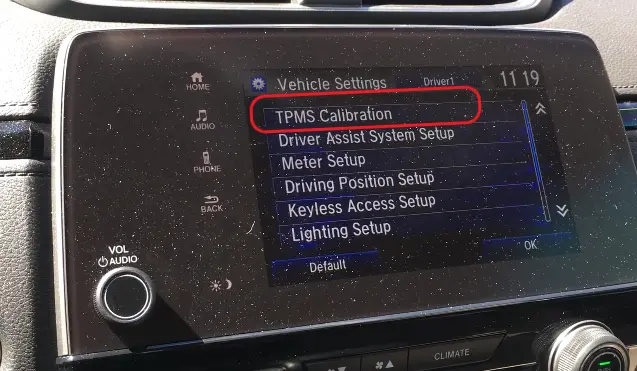
Now Click on TPMS Calibration
After selecting vehicle, you’ll get options like TPMS calibration, Meter setup, Lighting setup, etc., and click on TPMS calibration.
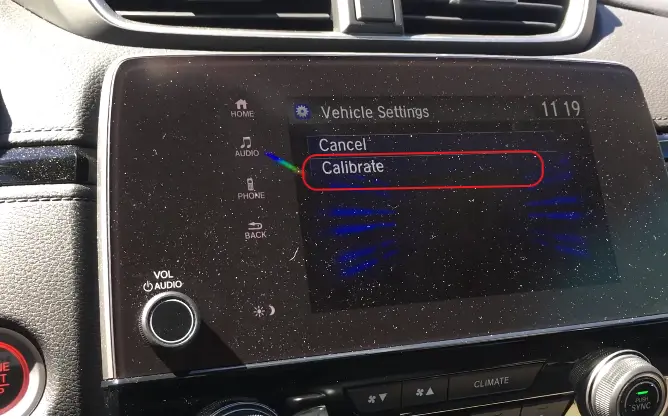
Select Calibrate
Now you’ll get 2 options calibrate and cancel, select calibrate.
Calibration Started
Now calibration has been started, wait for a few seconds
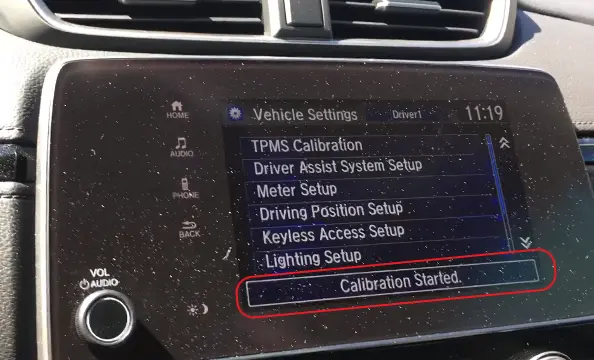
TPMS Reset
You’ve successfully reset the tire pressure monitoring system.
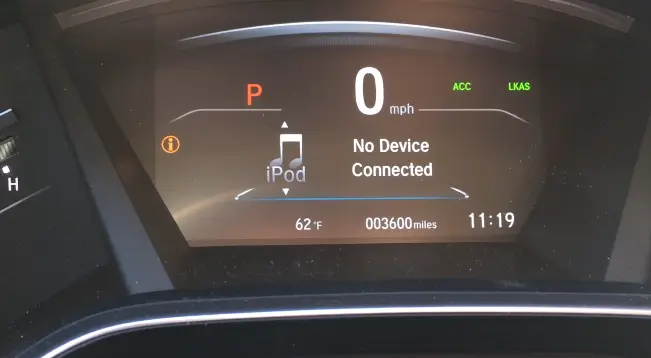
Now drive around for 10 to 30 minutes at 40 to 60 mph to update the TPMS with the current tire pressure and clear the error codes.
What Will Happen If I Do Not Reset The Tire Pressure Monitoring System?
The tire pressure monitoring system should work effectively because TPMS is crucial to providing you a safe and comfortable drive.
A faulty or uncalibrated TPMS can cause you to drive with incorrect tire pressure for long periods. This increases the risk of tire blowouts, poor fuel economy, and uneven tire wear.
According to the National Highway Traffic Safety Administration (NHTSA), hundreds of tire-related crashes occur annually due to underinflation.
If the TPMS is left unfixed, it will display incorrect information about tire pressure levels, leading to safety concerns and reduced fuel economy.
What Are The Effects Of Driving With Improper Tire Pressure Levels?
Driving With improper tire pressure levels can negatively affect your vehicle’s safety, comfortability, and performance in several ways.
Reduced fuel efficiency
Underinflated or overinflated tires result in an unbalanced condition that creates more rolling resistance, which results in reduced fuel efficiency
Risk of tire blowout
When the tires are overinflated, the excess air in the tire puts additional pressure on the sidewalls, and sidewalls can be damaged, which can lead to a tire blowout while driving, which can be dangerous.
Uneven tire wear
Unbalanced tire pressure can cause uneven tire, leading to premature tire failure and the need for early replacement.
Sidewalls flex more due to underinflated tires, which results in exposing tire cords and wires or bubbles on sidewalls.
Why Is My Tire Pressure Light On But My Tire Pressure Is Fine?
There are multiple reasons why your TPMS light may blink even if your tire pressure is fine.
Temperature Changes
Tire pressure can go down by 1 to 2 PSI for every 10°F drop in temperature. This means your tire light might come on during cold mornings but turn off after you drive for about 15 to 20 minutes as the tires warm up.
Sensor Relearn Required
After rotating your tires, replacing a sensor, or putting on new tires, the system may need to relearn where each tire is. This can be done with a special tool or through your car’s menu screen.
Do I Need to Replace TPMS Sensors When Getting New Tires?
You don’t always have to replace the tire pressure sensors when you get new tires, but it’s a good time to check them. These sensors have small batteries that usually last about 7 to 10 years. If your car is older or still has the original sensors, you may want to replace them to avoid problems later.
When new sensors are put in, the system needs to relearn where each tire is. This is done with a special tool or through the car’s menu settings. It helps make sure each tire shows the correct air pressure on your dashboard.
How Cold Weather Affects Tire Pressure?
When the weather gets cold, the air inside your tires shrinks, which lowers the pressure by about 1 PSI for every 10°F drop in temperature.
You might see the tire pressure light come on in the morning and then turn off later in the day once the tires warm up.
This change is normal, but it’s still important to check and adjust your tire pressure when the temperature drops a lot.
Keeping the tires at the right pressure helps your car use fuel more efficiently and keeps good traction during winter.
TPMS Maintenance Tips
- Check your tire pressure at least once a month or before long trips.
- Inspect your spare tire for proper inflation if it has a sensor.
- Replace TPMS sensors every 7–10 years or when the battery fails.
- Have your system recalibrated after rotating, replacing, or repairing tires.
- If the TPMS light stays on even after all checks, visit a qualified technician for diagnosis.
TPMS Frequently Asked Questions
Can I reset my TPMS without a reset button?
Yes, you can reset your TPMS without a reset button by driving your vehicle for 10–20 minutes above 40 mph, which allows the system to recalibrate automatically. Some vehicles also let you reset TPMS through the infotainment or vehicle settings menu.
Is it safe to drive with the TPMS light on?
No, it’s not safe to drive with the TPMS light on because it indicates one or more tires are underinflated. Driving with low tire pressure can cause reduced traction, poor fuel economy, and an increased risk of a blowout.
How long does it take for the tire pressure light to reset after inflating tires?
Usually, it takes half hour to completely reset .The TPMS light will turn off after driving for about 10–20 minutes once all tires are properly inflated. If it doesn’t, try a manual reset or inspect the sensors for issues.
What does it mean when my tire pressure light is flashing?
A flashing tire pressure light often means there’s a malfunction or a weak battery in one of the TPMS sensors. You may need to have the sensors replaced or recalibrated by a professional mechanic.
Do I need to replace TPMS sensors when I get new tires?
Not always, but it’s a good time to check their condition. TPMS sensors typically last 7–10 years. If they’re nearing that age or showing intermittent warnings, replacing them during a tire change is wise.
Conclusion
Any warning on your car dashboard need your attention, including the tire pressure monitoring system warning. If the TPMS light blinks on your dashboard, it indicates your tires have low air pressure.
But if you still notice TPMS blink even after inflating your tires to the recommended air pressure level, then there is an error in TPMS. You should be aware of how to reset tire pressure light, and you can reset it by following the above step by step guide or visiting a professional mechanic to reset it.
Correct air pressure level in your tires plays an important role in safe and comfortable driving. So, don’t leave your faulty TPMS unfixed.