Bulge In Tire Sidewall or in Tread – Causes & Fixes
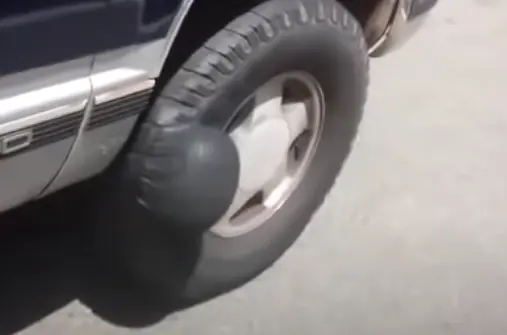
A bulge in tire is a change in the tire shape in the form of swelling and causes bubbles on the sidewall, sometimes on the tire’s tread.
These bulges in the tire pop up gradually and become prominent after frequently driving on the damaged tire. Going on a tire with a bubble isn’t secure and can cause a tire to burst at any time.
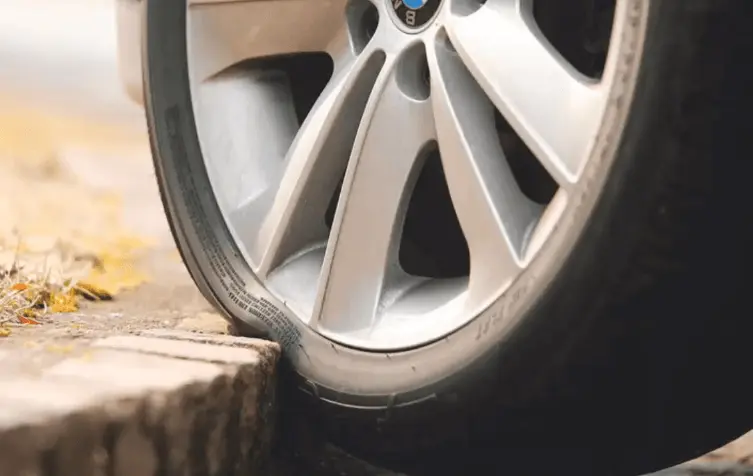
A tire bulge is caused by hitting a curb, pothole, or debris. If you notice a bump, bubble, or tire lump in your vehicle’s tire, this indicates the tire change.
Read on to discover the damages, causes, and precautions to avoid the tire bulge or tire blister.

Damage of bulge in tire
A bulge can cause irreversible damage to your vehicle’s tire. You can feel shaking and vibration while driving your car. Damage due to a bubble will output in replacing the affected tire with a new one for a secure and safe drive.
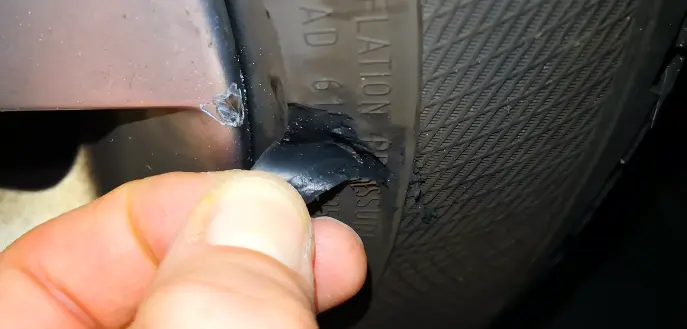
bulge in tire sidewall
A tire bulge happens when the inner liner the airtight layer that keeps pressurized air inside the tire is punctured or torn. The inner liner of the sidewall gets punctured and initiates a space between layers in the sidewall when the sidewall damage affects the tire, resulting in a conspicuous bulge or bubble.
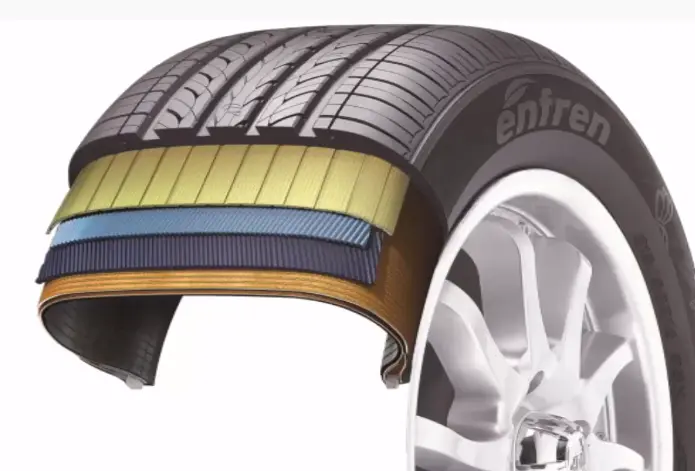
This allows air to escape into the sidewall layers, forming a visible bubble. Inside a tire are multiple layers: fabric plies, steel belts, and rubber compounds. Once these layers separate, the tire loses its structural integrity and can no longer safely hold its shape.
If there is a bulge on your tire’s sidewall, you shouldn’t drive on this tire because a bulge or bubble on a tire sidewall means this tire is weak and fragile and can cause it to explode.
bulge in tire tread
The broken steel belts between the tread and the body plies can cause a bulge in the tire tread, and air coming from the inner layer to the outermost tread forms a bubble. The bulge in the tire tread is easy to figure out because you feel like bumps on the road, and it’s challenging to drive with a bulge in the tire tread.
Cause of a bubble in tire
- Driving with too little air pressure causes the sidewalls to flex excessively, weakening internal cords.
- Too much air pressure can over-stress the tire and increase the chance of impact damage.
- When you hit a pothole or curb, the tire gets compressed between the rim and the obstacle, tearing the inner liner.
- Manufacturing defects: Rarely, a structural flaw may cause a bulge. In such cases, it may be covered under the tire manufacturer’s warranty.
- Hitting a curb, pothole, or construction debris can also cause a car tire bulge. Sometimes it appears quickly, but occasionally pops up after a day.
- In very rare cases, it can be a manufacturing fault.
- Overloaded commodities, or people for a long time can also cause a tire bulge.
Is it safe to drive with a bubble in tire
When you locate a bubble in your tire, you shouldn’t drive with this tire. Driving with a bubble in tire can cause a severe accident, particularly when driving at high speed.
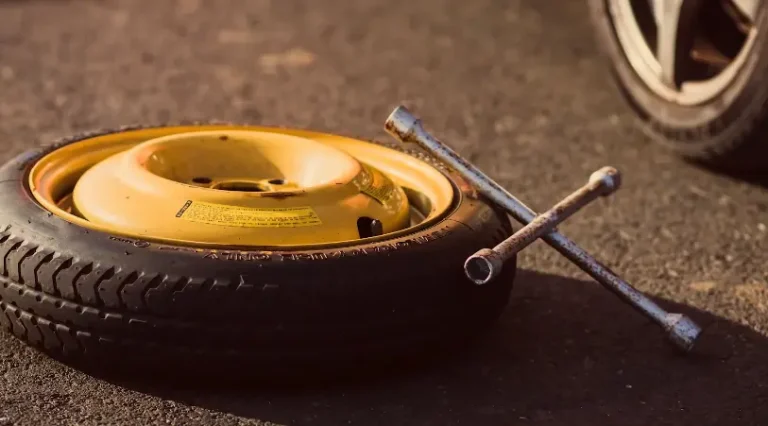
Tires must always be round and smooth, but a tire with a bubble can’t be smooth and round, so if you find there’s a bubble in tire, stop driving as soon as possible. Switch to your spare tire or call for roadside assistance. Driving even a few miles with a sidewall bubble risks a sudden tire blowout, which can cause loss of control or damage to your rim and suspension.
Fix a tire bulge
If you’ve found a bugle in tire, then the most suitable solution is to replace this tire with a new one because the tire with a bulge is a clear sign of tire expiry.
However, if you’re driving on the road, find a tire bulge, slow down the speed, and go to the nearest shop, avoiding potholes, debris, and obstacles.
Tire bulges represent internal damage to the cords and plies that give the tire its strength. Unlike a simple puncture, this damage cannot be patched or plugged.
When replacing, always install two tires on the same axle (front or rear) to maintain even handling and braking. For all-wheel drive vehicles, replacing all four tires may be necessary.
Tire Warranty and Professional Inspection
If you find no clear signs of impact or road damage, your tire bulge could result from a manufacturing defect. Have it inspected by an authorized tire dealer, in some cases, the issue may be covered under warranty.
A professional inspection can confirm whether the tire damage is due to impact, age, or defect, helping you decide whether to replace one tire, a pair, or all four.
Precautions to avoid bubble in tire
You can avoid a tire bulge if you follow some helpful tips. It’s very easy to follow these precautions, which will assist you in preventing the tire bulge.
- Always avoid potholes, debris, and obstacles while driving, particularly at high speed, because any hit to potholes or obstacles at high speed can cause a tire bulge.
- Regularly check the tire pressure, and don’t inflate too much. Inaccurate tire pressure leads to tire bulge.
- Always park your vehicle in a shady place, and avoid parking in the hot sun for a long time.
- Always try to carry heavy goods as per the tire weight category, and don’t overload your vehicle.
- Choose genuine brand products while changing tires, and don’t choose poor quality products. The tire bulge risk can be reduced by choosing brand tires.
- Don’t drive on an inflated tire because all the vehicle load will be transferred to the sidewalls, and driving long on the inflated tire can cause the tire to bulge. In fact, sidewalls are prone to crack.
- Regularly check your tire’s tread and condition to know about your tire’s good health.
- Replace worn tires before cords or belts become exposed.
- Store your car in a shaded or covered area to reduce rubber fatigue.
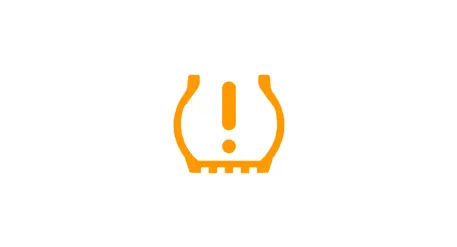
- Pay attention to your TPMS warning light and check tire pressure monthly.
Bulge In Tire FAQs
Tire bulge or bubble in the tire?
A tire bulge or bubble in a tire is the same in meaning.
Can you drive on a tire with a bulge?
No. You can’t drive on a tire with a bulge, it can result in a severe accident if you’re at high speed.
What to do if there is a bulge in your tire?
If there’s a bulge in the tire of your vehicle, instantly go to the nearest tire store and replace this bulged tire with a new one.
Can I replace just one tire?
If all other tires of your vehicle are new, you can, but experts recommend changing 4 tires or at least 2 tires simultaneously.
Why does run flat tire get bubbles?
Sidewall bubbles are a clear indication of broken cords. When you run on a flat tire, your vehicle’s load is transferred to these cords, which they can’t bear.
How to repair a tire lump?
A tire lump can’t be repaired. It would be best if you replaced it with a new tire.
Can I repair a tire bulge?
No, you can’t repair a tire bulge because it results from internal structural damage. The fabric cords and steel belts are damaged, which cannot be fixed with a patch or plug. The only safe option is to replace the tire immediately.
Can I drive with a bubble in my tire?
No, you can’t safely drive with a bubble in your tire. The tire’s sidewall is weakened and could burst suddenly, especially at highway speeds. Always replace the affected tire before driving again.
Can a tire bubble go away on its own?
No, a tire bubble cannot go away on its own. Once the inner liner or plies are damaged, the air trapped inside the sidewall remains. The condition will only worsen with continued driving.
Can I claim a tire bubble under warranty?
Yes, you can claim a tire bubble under warranty if it’s proven to be a manufacturing defect. However, if inspection shows impact damage or underinflation as the cause, it won’t be covered. Always have a dealer inspect it before replacing.
Can I prevent tire bulges completely?
No, you can’t prevent them completely, but you can reduce the risk by maintaining proper tire pressure, avoiding road hazards, and rotating tires regularly. Good driving habits and quality tires help minimize internal stress that causes bulges.
Final thoughts
It would be best to have awareness of all the possible causes and precautions of a tire bulge. Hitting with a pothole, curb, or debris can cause a tire bulge.
If you find a bulge in tire, you should instantly replace it with a new one because you can’t drive smoothly and safely on a bulging tire.